
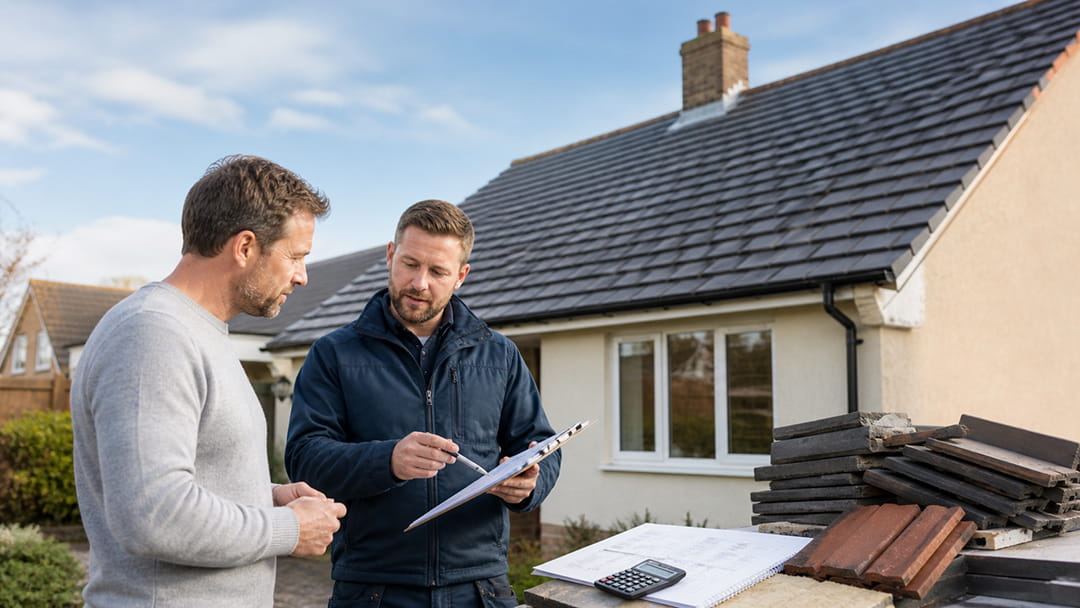
Replacing your roof is one of the biggest investments you can make in your home, so it’s completely understandable to want a clear idea of costs before any work begins. A well-installed roof protects your property from the weather, helps improve energy efficiency, and can add long-term value to your home. However, the total cost of a roof replacement is not just about tiles or slates. Things like scaffolding, labour, insulation, timber repairs, waste removal, roofline work, and unexpected damage can all affect the final price. By planning ahead and understanding what may be involved, you can budget more confidently and avoid unwanted surprises along the way.
Start with a Proper Roof Inspection
The best starting point is always a professional roof inspection. Before you can set a realistic budget, you need to know what condition your current roof is in. Some roofs may only need a straightforward replacement, while others may have hidden issues such as rotten timber, damaged felt, poor ventilation, damp insulation, or problems caused by previous repairs. A reliable roofer can assess the full roof structure, explain what needs doing, and help you understand where your money is likely to be spent. This gives you a much clearer picture than relying on rough online prices, which may not reflect your property or the condition of your roof.
Understand What Can Affect the Cost
Roof replacement costs can vary quite a lot from one property to another. The size of the roof is a major factor, but the shape, pitch, access, number of chimneys, roof valleys, dormers, and the type of materials you choose can all make a difference too. A simple roof on a smaller home will usually be less expensive than a larger or more complicated roof with several sections. Materials also play an important role, as concrete tiles, clay tiles, natural slate, and modern roofing systems all come with different costs, lifespans, and finishes. Understanding these details early on helps you make better choices for your home and your budget.
Remember the Extras That Are Easy to Overlook
When people think about a new roof, they often focus on the visible covering, but a good roof system includes much more than that. Felt, battens, leadwork, ridge tiles, ventilation, insulation, fascias, soffits, guttering, and waste removal may all need to be included in the quote. Scaffolding is another important cost, and while it can feel like an extra expense, it is essential for safe and proper access. If your property is difficult to reach or has limited space around it, this can also affect the overall price. Including these practical items in your budget from the start helps prevent unexpected costs later.
Allow for Hidden Problems
Even with a careful inspection, some issues only become visible once the old roof covering has been removed. Rotten timber, damp insulation, damaged underlay, or structural weaknesses can sometimes be hidden beneath the surface. This is why it’s sensible to keep a contingency amount aside when budgeting for a roof replacement. It doesn’t mean you will definitely need to spend it, but it gives you peace of mind if extra work is needed. Planning for the unexpected is much less stressful than being caught out halfway through the project.
Compare Quotes Carefully
It can be tempting to choose the cheapest roofing quote, especially when you are trying to keep costs under control, but the lowest price is not always the best value. A good quote should clearly explain what is included, what materials will be used, whether scaffolding and waste removal are covered, and how any additional work would be dealt with. A cheaper quote may leave out important details or use lower-quality materials, which could cost more in the long run. Comparing quotes carefully helps you choose a roofer based on value, transparency, and trust rather than price alone.
Think About Long-Term Value
A roof replacement is not just a short-term expense; it’s a long-term investment in your home. Choosing quality materials and experienced roofers can help your new roof last longer, perform better, and reduce the chances of future repairs. It is also worth thinking about insulation while the roof is being replaced. If your existing insulation is old, thin, compressed, or damp, upgrading it at the same time can help keep your home warmer, improve comfort, and reduce energy bills. Spending a little more in the right areas can often save money over time.
Plan Ahead Where Possible
If your roof is already showing signs of wear, such as missing tiles, leaks, sagging areas, or repeated repair problems, it’s usually better to plan ahead rather than wait for an emergency. Leaving roof problems too long can allow water damage to spread into timbers, ceilings, walls, insulation, and electrics, which may increase the overall cost. Planning your roof replacement early gives you more time to arrange quotes, compare options, prepare your budget, and choose a suitable time for the work to be carried out.
Check Guarantees and What Is Included
Before agreeing to any roofing work, it’s always worth asking what is covered by the guarantee. A reliable roofing company should be clear about workmanship, materials, and what happens after the installation is complete. A guarantee gives added reassurance, but it should always sit alongside good workmanship and a detailed quote. Make sure you understand exactly what is included before the job starts, so there are no surprises once the work is finished.
Budgeting Properly Gives You Peace of Mind
Budgeting for a roof replacement doesn’t have to feel overwhelming. By getting a proper inspection, understanding what affects the price, allowing for hidden issues, and choosing a roofing company that explains everything clearly, you can approach the project with much more confidence. The aim is not simply to find the cheapest option, but to make a sensible investment in your home. A well-planned roof replacement can protect your property, improve energy efficiency, reduce future maintenance, and give you peace of mind for many years to come.
Need Advice on a Roof Replacement?
If you are thinking about replacing your roof, getting professional advice early can make the whole process much easier. An experienced roofing team can inspect your current roof, explain your options, and provide a clear quote so you know what to expect before work begins. Taking the time to budget properly now can help you avoid unexpected costs later and ensure your new roof is built to protect your home for the long term.