
Common Roofing Shortcuts That Lead to Costly Repairs
When it comes to roofing, cutting corners can seem like a quick way to save money, but it often leads to much bigger problems later on. Your roof is one of the most important parts of your home, protecting everything beneath it from rain, wind, frost, and everyday wear. If work is rushed, materials are poor quality, or key details are missed, small issues can quickly turn into leaks, damp, structural damage, and expensive repair bills. That’s why good workmanship matters from the very beginning.
Using Cheap or Unsuitable Materials
One of the most common roofing shortcuts is using cheaper materials that are not suitable for the property or the conditions they need to withstand. While lower-cost tiles, underlay, battens, or fixings may reduce the initial price, they may not last as long or perform as well as quality materials. Over time, this can lead to cracked tiles, slipped slates, water ingress, and repeated maintenance issues. A roof should be built as a complete system, with each part chosen for durability, weather resistance, and suitability for the home.
Poor Installation of Felt and Battens
The felt and battens beneath your roof covering play a vital role in keeping your home protected. If they are installed incorrectly, overlapped poorly, fixed badly, or replaced with low-quality alternatives, your roof can become vulnerable to water damage. These parts may not be visible once the tiles or slates are in place, but they are essential to the performance of the roof. Skipping proper installation at this stage can result in hidden problems that only become obvious when damp patches, leaks, or mould start to appear inside the property.
Ignoring Ventilation
Roof ventilation is sometimes overlooked, but it is extremely important for preventing condensation and moisture build-up. Without proper ventilation, warm air from inside the home can become trapped in the roof space, leading to damp insulation, mould growth, and timber decay. This is especially important in older properties or when insulation is upgraded. A roof may look fine from the outside, but if it cannot breathe properly, problems can develop quietly over time and lead to costly repairs later.
Reusing Damaged Roof Components
Another shortcut is reusing old roof components that should really be replaced. This can include damaged tiles, worn ridge pieces, old leadwork, weakened battens, or tired roofline materials. While reusing some items may seem practical, anything that is cracked, rotten, loose, or past its best can compromise the whole roof. If the roof is already being repaired or replaced, it is usually better to deal with these issues properly at the time rather than patching them up and facing another repair shortly afterwards.
Poor Leadwork Around Chimneys and Valleys
Chimneys, valleys, roof joints, and areas where the roof meets a wall are some of the most vulnerable parts of any roof. These areas need careful attention because they are often where leaks begin. Poorly fitted leadwork, rushed flashing, or quick sealant fixes can fail quickly, especially during heavy rain or strong winds. A proper roofing job should make sure these details are watertight and finished correctly, as small mistakes around these areas can cause water to enter the home and damage ceilings, walls, and timbers.
Relying on Temporary Sealants
Sealants can be useful in certain situations, but they should not be used as a replacement for proper repairs. A common shortcut is applying sealant over cracks, gaps, or failing leadwork instead of fixing the underlying issue. This may appear to solve the problem for a short time, but it often breaks down, lifts, or cracks again. Once water finds its way in, the damage can spread. A long-term repair should address the cause of the problem, not just cover it up.
Not Fixing the Cause of a Leak
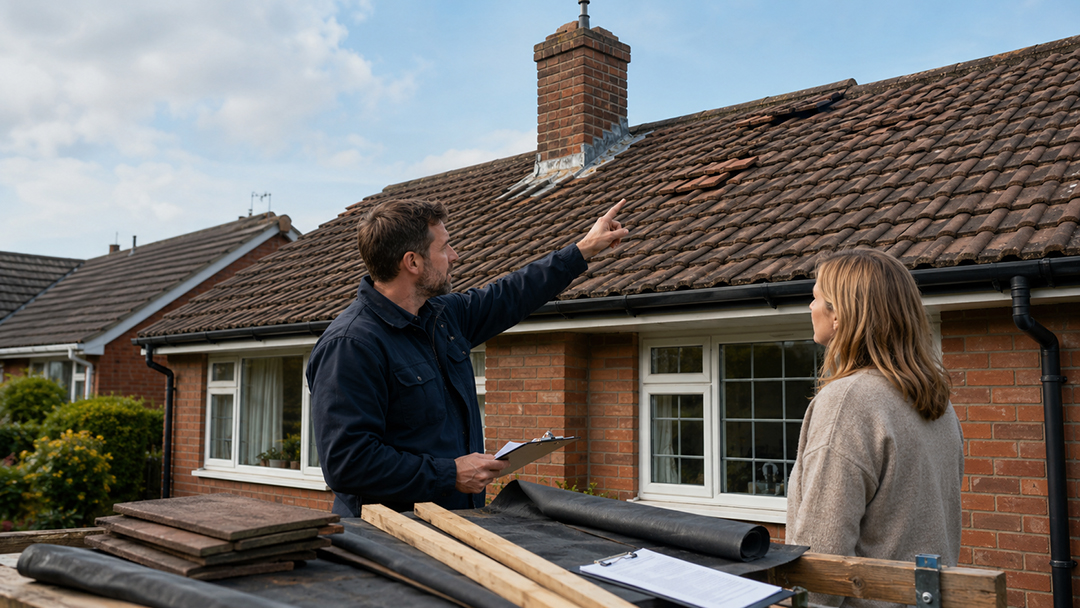
Leaks are not always caused by the most obvious issue. A slipped tile may be easy to spot, but water can travel before it appears inside the property. If the true cause is not identified, repairs may only provide a temporary fix. This is why a proper inspection is so important. A reliable roofer will look at the surrounding area, roof structure, flashing, underlay, drainage, and any signs of hidden damage before recommending the best solution. Guesswork can lead to repeated repairs and unnecessary costs.
Skipping Gutter and Roofline Checks
Guttering, fascias, soffits, and downpipes all help direct water away from your roof and property. If these are blocked, loose, cracked, or incorrectly fitted, water can overflow and cause damp problems around walls, roof edges, and foundations. Some roofers focus only on the main roof covering and overlook the roofline, but these details are part of the overall system. Keeping water moving away from your home properly is one of the simplest ways to prevent avoidable damage.
Rushing the Job
Roofing work needs care, planning, and attention to detail. Rushing the job can lead to uneven tiles, poor fixing, missed defects, untidy leadwork, weak joints, and problems that may not be obvious straight away. A roof has to withstand years of weather, so every stage matters. Good roofers take the time to prepare properly, use the right materials, follow safe working practices, and check the finished work carefully. A rushed job may look acceptable at first, but it can quickly become expensive when problems start to appear.
Choosing the Cheapest Quote Without Checking the Details
Everyone wants good value, but the cheapest quote is not always the best option. A very low price may mean important parts of the job have been left out, cheaper materials are being used, or the work is being rushed. Before agreeing to any roofing work, it is worth checking exactly what is included. A clear quote should explain the materials, labour, scaffolding, waste removal, guarantees, and how unexpected issues will be handled. A slightly higher quote from a trusted roofer can often save money in the long run by reducing the risk of future repairs.
Why Proper Roofing Work Saves Money
A well-maintained, properly installed roof protects your home, improves comfort, and helps prevent damage before it becomes serious. Roofing shortcuts may reduce the upfront cost, but they often lead to leaks, damp, rotten timber, damaged insulation, and repeated repair bills. Investing in good workmanship from the start gives you peace of mind and helps your roof last longer. Whether you need a small repair, a roof inspection, or a full replacement, choosing an experienced roofing team is the best way to protect your home and avoid unnecessary costs.
Need Honest Advice About Your Roof?
If you are worried about the condition of your roof or have had ongoing problems with leaks or poor repairs, it is always best to get professional advice. A proper inspection can identify the cause of the issue and help you decide on the most suitable repair. Taking action early can prevent small problems from becoming costly damage and ensure your roof continues to protect your home for years to come.