
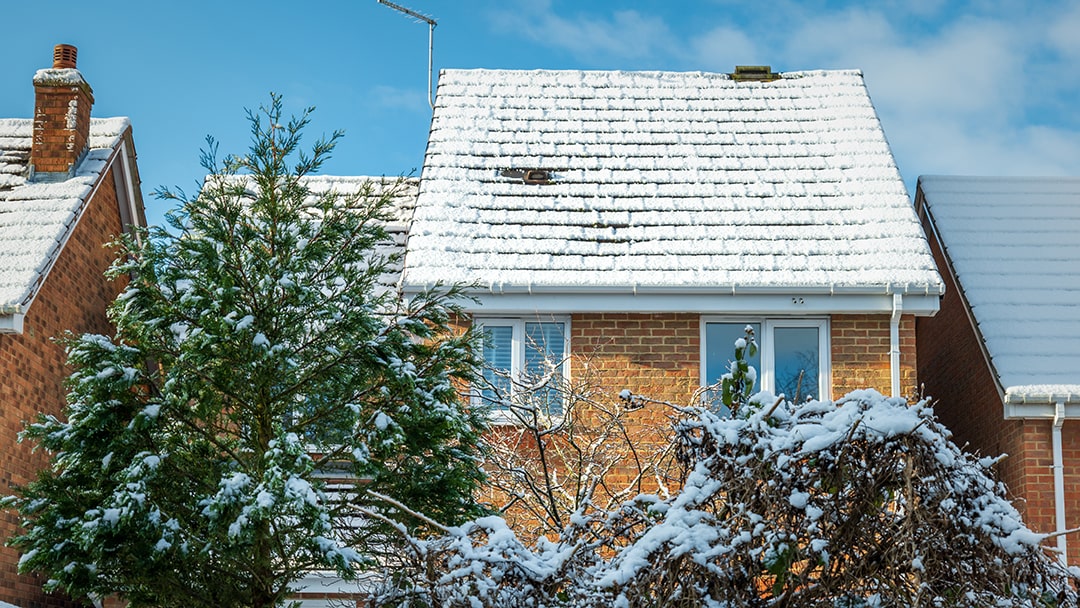
Your roof is your home’s first line of defense against the elements. From blazing summer heat to heavy snowfalls, different weather conditions can significantly affect the health and durability of your roof. Understanding how weather impacts your roof can help you stay proactive with maintenance and avoid costly repairs. Let’s dive into how different weather conditions affect your roof and what you can do to protect it.
Extreme Heat: A Silent Roof Killer
In regions with hot climates, your roof endures intense heat and prolonged exposure to the sun. Over time, this can cause significant wear and tear:
- UV Damage: Ultraviolet (UV) rays can break down the materials on your roof, making them brittle and prone to cracks.
- Thermal Expansion: Constant heating and cooling can cause roofing materials to expand and contract. This can lead to warping, buckling, and eventually, cracks in the structure.
How to Protect Your Roof: Choose roofing materials designed for heat resistance and consider installing a reflective or energy-efficient roof coating. Regular inspections can help spot early signs of heat damage before they escalate.
Heavy Rain and Wind: A Perfect Storm for Roof Damage
Rain and wind are two of the most common weather conditions that can wreak havoc on your roof:
- Water Leaks: Heavy rainfall can expose weaknesses in your roof’s structure, leading to water leaks. Over time, this moisture can cause rot and mold growth, damaging the interior of your home.
- Wind Uplift: Strong winds can lift roofing materials, especially if they are loose or weakened. This not only leaves your roof vulnerable to further damage but can also allow water to seep in.
How to Protect Your Roof: Ensure your roof is securely fastened and check the flashing around chimneys, vents, and skylights to prevent leaks. After a storm, inspect your roof for any loose or missing materials.
Snow and Ice: A Heavy Burden
Winter can be particularly harsh on your roof, especially in areas that experience heavy snowfall:
- Ice Dams: When snow melts and refreezes on the edge of your roof, it creates ice dams. These can prevent proper drainage, forcing water under your roof and causing leaks.
- Heavy Load: Accumulated snow can become incredibly heavy, putting excessive strain on your roof’s structure. In severe cases, this can lead to roof collapse.
How to Protect Your Roof: Make sure your attic is well-insulated to prevent the formation of ice dams. If snow builds up, consider using a roof rake to safely remove it. Regular winter roof maintenance is key to avoiding these issues.
Hailstorms: Small but Mighty
Hailstorms can cause significant damage in a short amount of time. Even small hailstones can have a big impact:
- Dents and Cracks: Hail can cause dents, cracks, or even punctures in your roof, especially if it’s made from materials like metal or tile. These openings can expose your home to water damage.
- Shingle Damage: Hailstones can loosen or break off roofing materials, leaving parts of your roof unprotected.
How to Protect Your Roof: Opt for hail-resistant materials if you live in a hail-prone area. After a hailstorm, inspect your roof for signs of damage, and if necessary, call a professional for repairs.
Freezing Temperatures: A Test of Durability
Cold temperatures can stress your roof in different ways, especially when combined with snow and ice:
- Cracking and Splitting: Some roofing materials can become brittle and prone to cracking in freezing temperatures.
- Condensation: Inadequate ventilation in your attic can lead to condensation buildup, which may result in mold growth or wood rot over time.
How to Protect Your Roof: Ensure your roof is made from durable, cold-resistant materials, and check that your attic has proper ventilation to avoid condensation issues.
Sun and UV Rays: Slow and Steady Deterioration
Even though the sun isn’t as visibly destructive as a storm, it can still cause long-term damage to your roof:
- Fading and Degradation: Prolonged exposure to sunlight can cause roofing materials to fade and weaken, making them more susceptible to damage.
- Cracking and Drying: UV rays can dry out certain roofing materials, leading to cracks and surface damage over time.
How to Protect Your Roof: Installing a UV-resistant roof or applying a protective coating can extend the lifespan of your roof in sunny climates.
Protecting Your Roof Year-Round
Regardless of where you live, weather conditions will have an impact on your roof. Here are some tips to keep your roof in good shape year-round:
- Regular Inspections: Schedule regular roof inspections, especially after severe weather events.
- Timely Repairs: Address any damage as soon as it’s spotted to prevent small issues from becoming major problems.
- Proper Ventilation: Ensure your attic has proper ventilation to regulate temperature and moisture levels, reducing strain on your roof.
Final Thoughts
Weather is unpredictable, but with proper care and maintenance, your roof can stand up to whatever Mother Nature throws its way. Understanding the effects of different weather conditions on your roof helps you stay ahead of potential problems and protect your home for years to come. Stay vigilant, and don’t hesitate to call in a professional when needed — your roof’s longevity depends on it!