
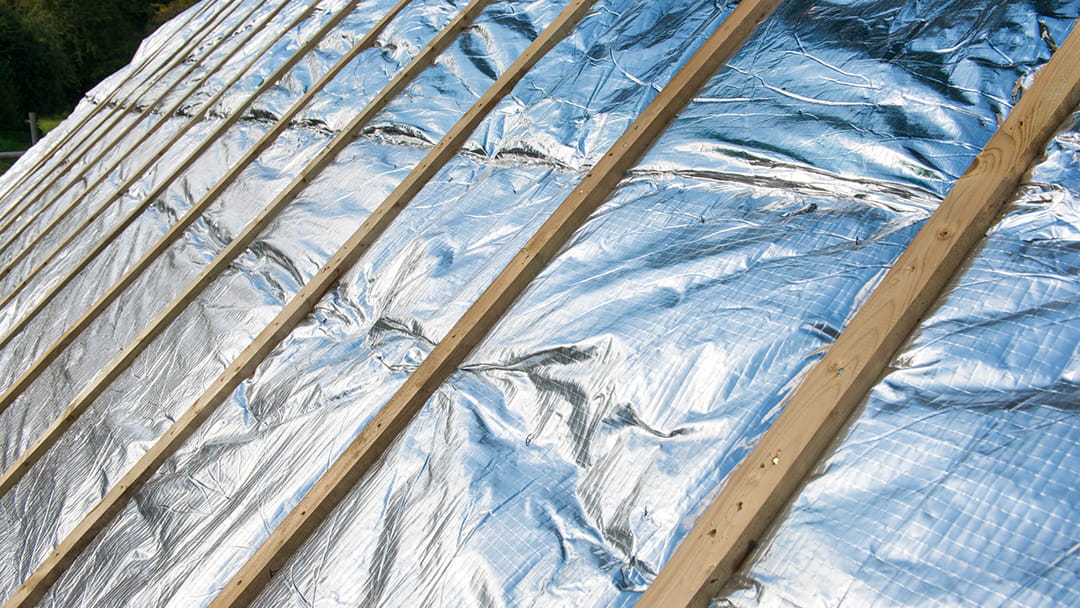
Why It’s Important to Replace Insulation When Replacing Your Roof
When most people think about replacing a roof, they tend to focus on the visible parts—tiles, slates, and how the finished roof will look from the outside. What often gets overlooked is what sits beneath it: the insulation. Yet this hidden layer plays a huge role in how your home performs, especially when it comes to warmth, energy efficiency, and long-term protection.
If you’re already investing in a new roof, it makes sense to look at the insulation at the same time. In many cases, existing insulation is either outdated, compressed, or has been affected by moisture over the years. Even if it doesn’t look damaged, it may not be performing anywhere near as well as modern materials.
Save Energy and Lower Your Bills
One of the biggest benefits of replacing insulation during a roof upgrade is improved energy efficiency. Heat rises, and without proper insulation, a large amount of it escapes through your roof. This means your heating system has to work harder, which pushes up your energy bills.
By upgrading your insulation, you create a more effective barrier that keeps heat in during winter and helps prevent overheating in summer. Over time, this can lead to noticeable savings—something that’s especially important with rising energy costs across the UK.
Deal with Hidden Damp and Damage
Roof replacements often reveal problems you wouldn’t normally see. Small leaks, condensation, and general wear can all affect insulation over time. Once insulation becomes damp, it loses much of its effectiveness and can even lead to mould issues.
Replacing it at the same time as your roof ensures you’re starting fresh with clean, dry materials. It also helps protect your home’s structure and indoor air quality moving forward.
Take Advantage of Easy Access
There’s also a very practical reason to do both jobs together—access. When your roof is already stripped back, it’s much easier for contractors to install new insulation properly.
If you leave it until later, the work often becomes more awkward and disruptive, sometimes requiring internal access through your loft. Doing it all at once is more efficient, less intrusive, and often more cost-effective.
Meet Modern Standards
Insulation standards have improved significantly over the years, and many older homes simply don’t meet current recommendations. Replacing your roof gives you the perfect opportunity to bring your insulation up to modern building regulations.
Not only does this improve performance, but it can also help avoid issues if you ever need inspections or decide to sell your home in the future.
Improve Comfort Throughout Your Home
Good insulation doesn’t just save money—it makes your home feel better to live in. Without it, you may notice cold spots, draughts, or rooms that never quite feel warm enough.
Upgrading your insulation helps maintain a more consistent temperature throughout your home, keeping it cosy in winter and cooler in summer. It’s one of those improvements you really notice day to day.
Avoid Future Costs and Hassle
Skipping insulation replacement might seem like a way to save money in the short term, but it can lead to higher costs later on. If problems like heat loss or damp arise, you may end up needing additional work that could have been avoided.
By taking care of it during your roof replacement, you’re reducing the risk of future disruption and giving yourself peace of mind that everything has been done properly.
A Smarter, Long-Term Investment
There’s also the added benefit of increasing your property’s value. A new roof combined with modern insulation is a strong selling point, particularly as buyers become more aware of energy efficiency and running costs.
Even if you’re not planning to sell anytime soon, it’s still a smart investment. You’ll benefit from lower bills, better comfort, and a home that’s more efficient and future-ready.