
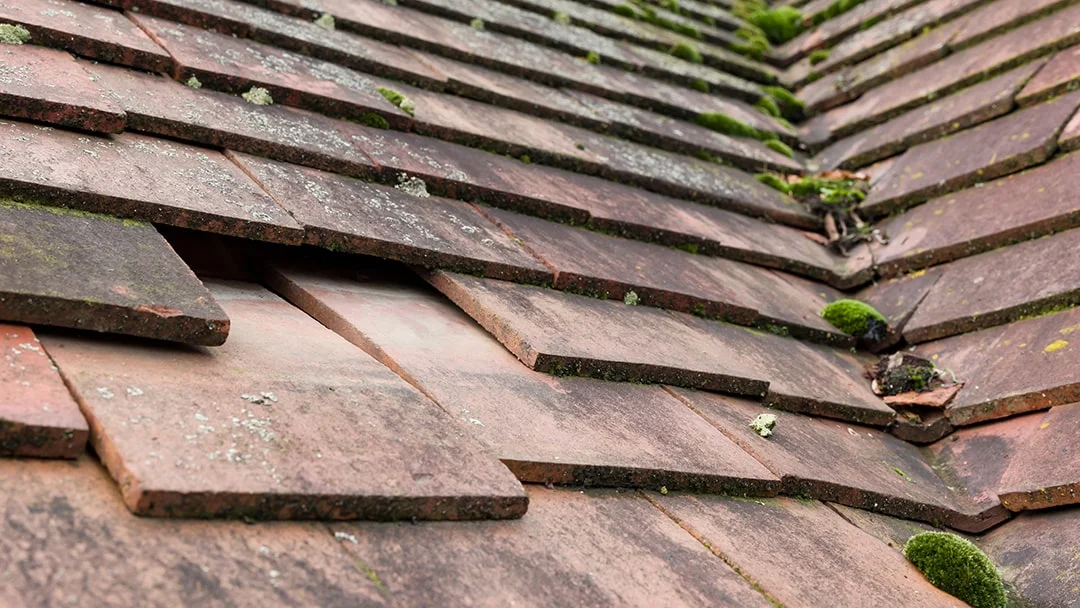
Your roof plays a vital role in protecting your home from the elements, and regular inspections are essential to ensuring it stays in top condition. While it’s always wise to hire a professional for thorough inspections, you can perform your own visual checks in between to catch any early signs of damage. Safety is key, so here’s a guide to help you check your roof safely for any needed repairs.
Gather the Right Equipment
Before you begin your inspection, make sure you have the proper tools and safety gear:
- Ladder: Use a stable ladder that extends at least three feet above the roofline.
- Non-Slip Shoes: Wear shoes with good traction to prevent slipping, especially on potentially slick surfaces.
- Gloves: These will help protect your hands from rough edges or debris.
- Binoculars: For a safer, ground-level inspection, binoculars can help you examine your roof from a distance.
- Safety Harness: If you decide to climb onto the roof, a safety harness can provide added security.
Check the Weather Conditions
Inspect your roof only when conditions are safe:
- Dry Weather: Avoid inspecting your roof after rain, as a wet roof can be slippery and dangerous.
- Daylight Hours: Choose a time when visibility is best, preferably during daylight hours. Early mornings or late afternoons provide good lighting without the harsh glare of the midday sun.
Start with a Ground-Level Inspection
You don’t always need to climb onto the roof to spot problems. Start from the ground:
- Look for Visible Damage: Scan for any areas that appear damaged, discolored, or compromised.
- Examine the Gutters: Debris in your gutters may indicate deterioration of your roofing material, such as particles from the roof surface.
- Check for Sagging Areas: Notice any parts of the roof that appear to sag or dip, which could be a sign of underlying damage.
- Inspect Around Vents and Chimneys: Ensure that seals around chimneys, vents, or skylights are secure and free of cracks or deterioration.
Safely Climb Onto the Roof (If Necessary)
If you need a closer look, follow these safety precautions before climbing:
- Secure Your Ladder: Place your ladder on firm, level ground, and have someone hold it steady for added safety.
- Stay Away from Edges: Keep at least three feet from the edges of the roof to minimize the risk of falling.
- Walk Carefully: Move slowly and deliberately. Roof surfaces can be fragile, and fast movements increase the risk of slips.
- Watch for Soft Spots: If any areas of the roof feel soft or spongy underfoot, this could indicate rot or water damage. Avoid walking in these spots and take note for further investigation.
What to Look For
During your inspection, keep an eye out for the following signs of damage:
- Cracked or Damaged Surfaces: Look for cracks, splits, or any visible wear that could allow water to seep through.
- Loose or Missing Material: Areas where the roof material seems to be missing or loose should be noted, as this can lead to further damage.
- Damaged Seals: Flashing and other sealant materials around vents, chimneys, or skylights should be intact and not separated or rusted.
- Pooling Water: On flat or low-slope roofs, watch for standing water, which can indicate drainage issues and lead to leaks.
Inspect Your Home’s Interior
Sometimes, roof issues manifest inside your home before they’re visible on the outside:
- Water Stains: Check ceilings and walls for any water stains or discolored patches, which may indicate a roof leak.
- Attic Inspection: Look in your attic for signs of water damage, dampness, or light shining through cracks in the roof.
Know When to Call a Professional
If you encounter any of the following signs, it’s time to contact a professional roofer:
- Structural sagging or other major concerns
- Significant water damage inside your home
- Large sections of damaged or missing roof material
- Issues following a storm or severe weather
Performing regular roof inspections helps you catch minor problems before they become major repairs. By following these safety tips, you can protect both your home and yourself while assessing the condition of your roof. If ever in doubt, don’t hesitate to call a professional—your safety is always the top priority.