
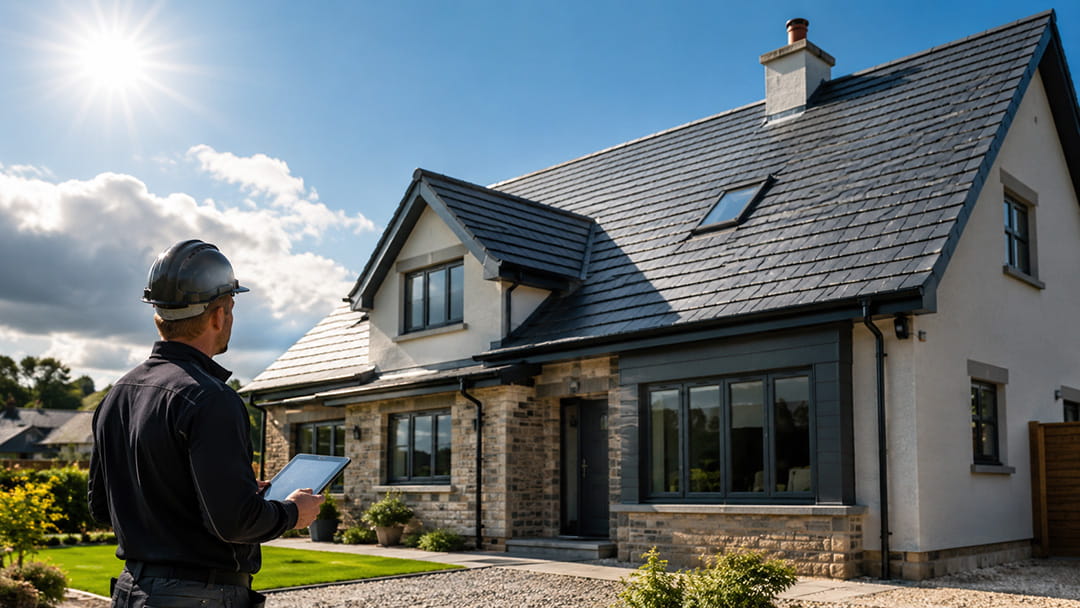
When most UK homeowners think about roof damage, they picture winter storms, torrential autumn rain, or heavy frost. Mildew and leaks are obvious villains. But there is a silent culprit that does just as much damage over time: extreme summer heat.
With UK summers seeing record-breaking temperatures over recent years, our roofs are facing unprecedented levels of UV radiation and thermal stress. Here is exactly how the heat is secretly aging your roof, and what you can do to protect your home.
1. The Physics of Heat Damage: Thermal Shock
The biggest issue heat causes isn’t just the high temperature itself—it’s the fluctuation. This process is known as thermal shock.
-
Daytime Expansion: Under direct summer sunlight, your roofing materials expand as they heat up.
-
Nighttime Contraction: As soon as the sun goes down and the British air turns cool, those same materials rapidly contract.
This constant tug-of-war puts immense structural stress on tiles, slates, protective flashing, and mortar joints. Over time, this microscopic movement opens up tiny splits. You won’t notice them during a dry July, but the moment the first heavy autumn downpour hits, those splits become active leaks.
The UV Effect: Prolonged ultraviolet (UV) radiation literally bakes the flexibility out of older felt, sealants, and plastics, leaving them brittle and prone to snapping under pressure.
2. Pitched vs. Flat Roofs: Where is the Vulnerability?
Different roofs handle the heat in completely different ways.
Traditional Pitched Roofs
Tiles made of concrete, clay, or natural slate are incredibly durable, but they aren’t immune to heat. The danger here lies underneath. If the wooden battens beneath the tiles have aged or warped from attic heat, the expansion of the tiles can cause them to shift, slip, or crack.
Flat Roofs: The Danger Zone
Flat roofs bear the brunt of summer weather because they sit flat beneath the sun, absorbing rays all day long. Older felt or asphalt flat roofs can soften, blister (where trapped moisture expands into bubbles), and crack.
If you are thinking about upgrading or replacing a flat roof, choosing a modern material makes a massive difference in how it handles thermal stress:
| Material Type | Heat & UV Resistance | Expected Lifespan | Why It Copes Better |
| Traditional Felt/Bitumen | Poor (Becomes brittle) | 10–15 Years | Absorbs high heat; oil evaporates over time, leading to cracks. |
| EPDM Rubber | Excellent | 30–50 Years | Highly elastic; stretches and contracts without degrading. |
| GRP Fibreglass | Very Good | 20–30 Years | Completely seamless; no joints to expand or pull apart. |
3. The Secret Weapon: Loft Ventilation
A hot roof is made significantly worse by a hot house. Without proper attic ventilation, your loft turns into a giant oven, trapping heat that bakes your roof structure from the inside out.
Good airflow through your roof space does two things:
1. It lowers your indoor temperature, keeping your cooling costs down.
2. It protects the structural timber frame and roof underlay from warping and sweating.
If your upstairs rooms feel like a sauna during the summer, your roof ventilation likely needs an upgrade.
4. Your Pre-Autumn Roof Protection Plan
Summer is actually the safest and most cost-effective time to inspect a roof and fix minor issues before they turn into winter disasters. Use this checklist to evaluate your roof’s health:
A roof’s job isn’t just to shed rain; it has to survive the sunshine. By choosing UV-resistant modern materials, ensuring your loft can breathe, and catching minor thermal cracks early, you can guarantee your home stays dry and safe all year round.