
Roofing Issues We See in Older UK Properties
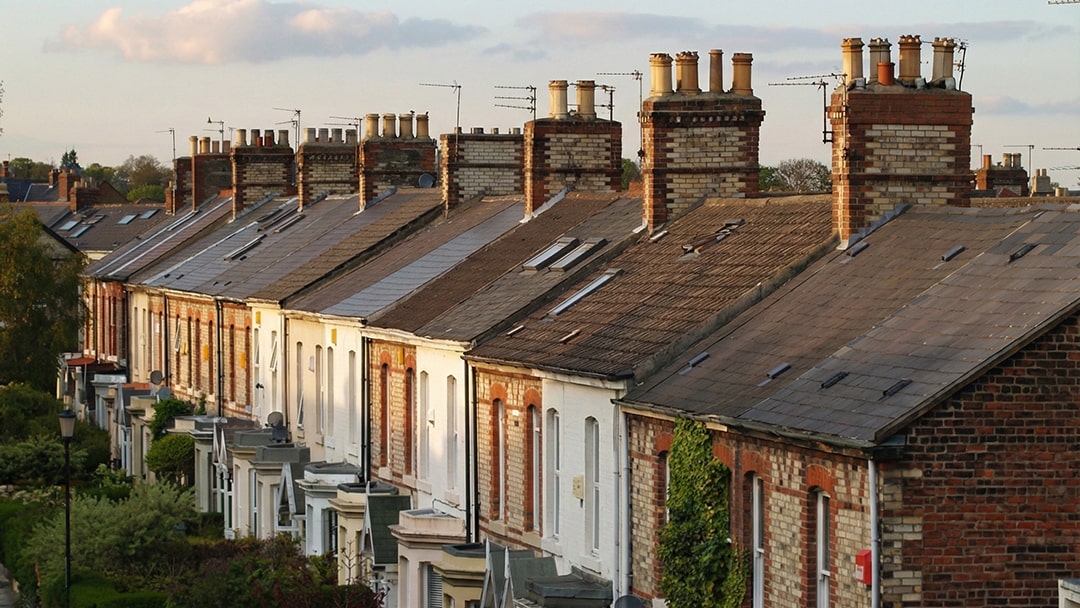
Older UK homes have undeniable character, but their roofs often hide problems that only become obvious when damage is already advanced. Many of these properties were built using traditional materials and methods that, while robust for their time, were never designed to cope with modern weather extremes, increased rainfall, stronger winds, or today’s insulation requirements. From Victorian terraces to early post-war houses, ageing roof coverings, fixings, and timbers can slowly deteriorate out of sight for years. Understanding the most common roofing issues found in older properties allows homeowners to take action early, reduce the risk of costly structural repairs, and protect both the fabric and long-term value of their home.
Worn or Failing Roof Coverings
Many older properties still have their original slate or clay tiles. While these materials can last a long time, individual tiles crack, delaminate, or slip as fixings corrode and battens weaken. Once tiles begin to fail, water can track underneath the roof covering, leading to hidden rot long before a visible leak appears inside the home.
Deteriorated Roof Battens and Fixings
Older roofs often use timber battens and metal fixings that were never treated to modern standards. Over time, moisture causes battens to soften and nails to rust, meaning tiles are no longer securely fixed. This is a common reason tiles slide after storms, even when they look intact from ground level.
Chimney and Flashing Failures
Chimneys are one of the most common problem areas on older roofs. Over time, mortar joints deteriorate, lead flashing can split, lift, or fatigue, and water is able to penetrate into the roof structure. Because chimneys break through the roof covering, even minor defects can allow moisture to track along timbers and into ceilings or walls. This often results in persistent leaks, damp patches, and staining inside the property, which are frequently misdiagnosed as general roof failures rather than a chimney-related issue.
Inadequate or Degraded Underfelt
Many older roofs were built with bitumen felt or no underfelt at all. Over time, felt becomes brittle, tears, or disintegrates completely. Without a secondary weather barrier, wind-driven rain and snow can enter the roof space even if the tiles appear to be in reasonable condition.
Poor Ventilation and Condensation Issues
Ventilation was rarely considered in older roof design. Combined with modern living, insulation upgrades, and reduced airflow, this often leads to condensation forming inside the roof space. Persistent condensation causes timber decay, mould growth, and insulation failure, all of which shorten the lifespan of the roof.
Sagging Roof Structures
In older properties, roof structures can experience deflection as a result of long-term loading, timber fatigue, historic water ingress, or alterations that have compromised the original load paths. Saturated or decayed rafters and purlins lose structural integrity over time, while previous modifications such as loft conversions or removed internal supports can introduce uneven stresses across the roof frame. Even modest structural movement can disrupt the roof’s designed falls, leading to poor water run-off, increased tile movement, and concentrated loading on fixings and battens. If not properly assessed and corrected, these issues can accelerate covering failure and place ongoing strain on the overall roof structure.
Previous Patch Repairs
We frequently see older roofs that have been “repaired” multiple times over the years. While patch repairs can be appropriate, repeated short-term fixes often mask deeper issues. Mismatched materials, poor workmanship, and incompatible modern products can actually accelerate deterioration rather than solve it.
Why Early Inspection Matters
The biggest mistake owners of older properties make is waiting for visible leaks. By the time water shows internally, damage is often widespread. Regular professional inspections allow issues to be identified early, repairs to be planned properly, and the original character of the property to be preserved without unnecessary full replacements.
Protecting an Older Roof Long Term
Older roofs can perform exceptionally well when properly maintained. Addressing small issues early, using appropriate materials, and ensuring correct ventilation can add decades to a roof’s lifespan. A professional assessment is the safest way to understand whether your roof needs targeted repairs or a more comprehensive solution.