
A full roof replacement is one of the most significant improvements you can make to a property, yet many homeowners are unsure what the process actually involves. Understanding each stage helps set realistic expectations, reduces disruption, and gives confidence that the work is being carried out correctly and safely. While every property is different, a professional roof replacement follows a clear, structured process designed to protect the building and ensure long-term performance.
Initial Inspection and Assessment
Before any work begins, a detailed inspection of the existing roof structure is carried out. This includes assessing the condition of the roof covering, battens, underfelt, flashings, and visible structural timbers. Any signs of rot, sagging, water ingress, or previous poor repairs are identified at this stage. Measurements are taken, access requirements are planned, and materials are specified to suit the age, design, and exposure of the property.
Scaffolding and Site Preparation
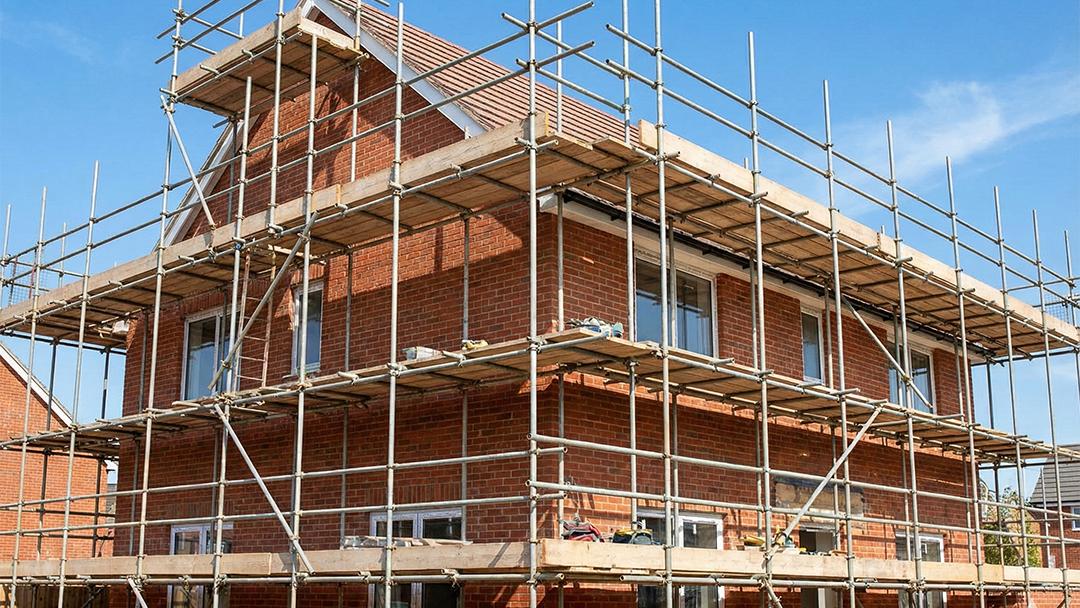
Safe access is essential for a full roof replacement. Scaffolding is erected to provide a stable working platform around the property, allowing roofers to work efficiently while protecting the building and occupants below. Sheeting and protective measures may be installed to prevent debris falling into neighbouring areas, gardens, or public walkways. This stage also allows materials to be stored safely on site.
Removal of the Existing Roof Covering
The existing roof covering, whether slate, clay, or concrete tiles, is carefully stripped back. This process exposes the underlying structure and allows roofers to assess the condition of battens, underfelt, and timbers more accurately. Any reusable materials may be salvaged where appropriate, particularly on older or character properties, while damaged or obsolete materials are removed and disposed of responsibly.
Inspection and Repair of Roof Timbers
Once the roof is stripped, the structural timbers are fully exposed. Rafters, purlins, and ridge boards are checked for decay, movement, or previous alterations that may have weakened the structure. Any defective timbers are repaired, reinforced, or replaced to restore structural integrity. Addressing these issues at this stage is critical, as they would otherwise remain hidden beneath the new roof covering.
Installation of New Underfelt and Battens
A modern breathable membrane is installed to act as a secondary weather barrier, protecting the roof space from wind-driven rain while allowing moisture to escape. New treated timber battens are then fixed in accordance with current regulations and manufacturer specifications. Correct batten spacing is essential to ensure tiles are securely fixed and evenly supported across the roof.
Roof Covering Installation
The new roof covering is installed using materials chosen to suit the property’s style, location, and exposure. Tiles or slates are laid in a systematic pattern, securely fixed to withstand wind uplift and weather conditions. Ridge tiles, hips, valleys, and verge details are formed using appropriate systems to ensure durability and watertightness.
Chimney, Flashing, and Detailing Work
Chimneys, abutments, and roof penetrations are finished with new lead or suitable flashing systems. This is one of the most critical stages, as poorly detailed flashings are a common cause of future leaks. Mortar joints may be repointed, leadwork dressed correctly, and weatherproofing details completed to ensure long-term performance.
Ventilation and Insulation Considerations
Modern roofing standards place greater emphasis on ventilation and thermal performance. During a full roof replacement, provisions are often made to improve airflow within the roof space, reducing the risk of condensation and timber decay. Where required, insulation upgrades may also be incorporated to improve energy efficiency and comfort within the property.
Final Checks and Clean-Up
Once the roof covering is complete, a final inspection is carried out to ensure all fixings, details, and finishes meet expected standards. The site is cleared of debris, gutters are checked, and scaffolding is removed safely. Homeowners are then left with a roof designed to protect their property for decades to come.
Why a Proper Roof Replacement Matters
A full roof replacement is not just about new tiles—it is about restoring the entire roofing system to a safe, compliant, and weather-resistant condition. When carried out properly, it resolves underlying issues, improves performance, and adds long-term value to the property.
Considering a Full Roof Replacement?
JDH Roofing provides clear advice, detailed assessments, and high-quality workmanship from start to finish. If your roof is reaching the end of its lifespan, contact our team today to arrange a professional inspection and straightforward quote.