
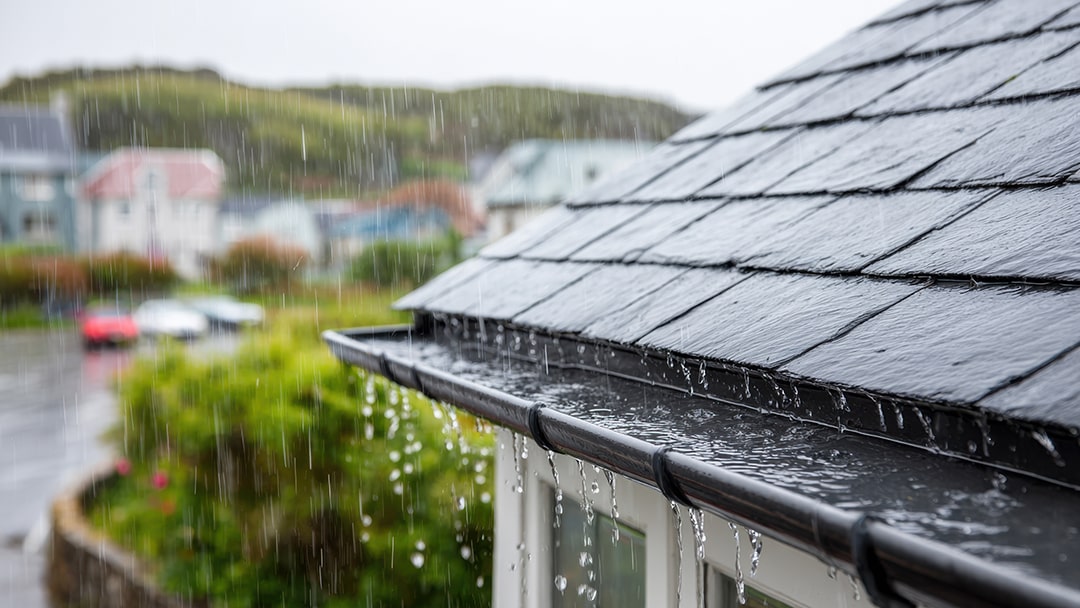
Your roof works hard every day to protect your home from wind, rain, and the unpredictable British weather. But how often do you stop to check if it’s doing its job properly? The truth is, most people don’t think about their roof until water starts dripping through the ceiling — by then, the damage has already begun. A small roof leak might seem harmless at first, but left unchecked it can lead to mould, rotting timbers, structural problems, and expensive repair bills. The good news is, there are clear warning signs to look out for and simple checks you can do to spot a problem before it gets worse.
Why It’s Important to Check for Roof Leaks Regularly
Prevention is always better than cure. Your roof is exposed to the elements every single day and small issues such as cracked tiles or loose flashing can develop quickly. Regular checks mean you’ll catch problems early, saving you money and protecting your home. A roof that’s well maintained also lasts much longer, giving you peace of mind through every season.
The Indoor Warning Signs of a Leaking Roof
One of the easiest places to start is inside your home. Leaks often reveal themselves long before water actually drips from the ceiling. Keep an eye out for:
-
Water stains on ceilings and walls: Brown or yellow patches are a classic sign that water is getting in.
-
Damp patches in the loft: After a spell of rain, grab a torch and check the loft space for damp timbers, dark spots, or active drips.
-
Mould and musty smells: Persistent dampness can lead to mould growth, especially in corners and hidden areas.
-
Peeling paint or bubbling wallpaper: Moisture behind your walls is often caused by a leaking roof above.
What to Look for Outside
Your roof will often give away signs of damage if you know what to look for. A quick visual inspection from the ground (or with binoculars) can reveal:
-
Missing, broken or slipped tiles/slates: Just one missing tile can let rainwater in.
-
Damaged flashing around chimneys, skylights or vents: Flashing is designed to create a watertight seal. If it cracks, lifts or rusts, leaks can develop.
-
Blocked or overflowing gutters: If water can’t flow away properly, it may back up under your roofline.
-
Sagging roofline or dips in the structure: A visible dip could mean trapped water, damaged timbers, or other structural issues.
Seasonal Roof Checks You Can Do Yourself
You don’t need to climb up ladders to keep an eye on your roof. In fact, it’s safer to leave that to the professionals. However, there are simple checks you can carry out from ground level:
-
After heavy rain or storms: Look for new damp spots inside and check the outside of your roof for visible damage.
-
In autumn: Clear gutters and downpipes of leaves to prevent water backing up.
-
In winter: Watch out for ice dams (frozen water in gutters) which can force water under tiles.
-
In spring: Look for signs of damage caused by frost or high winds.
The Risks of Ignoring a Roof Leak
It might be tempting to ignore a small damp patch or occasional drip, but even minor leaks can cause major issues over time. Problems include:
-
Structural damage: Water can weaken roof timbers, ceiling joists and even walls.
-
Health hazards: Damp conditions encourage mould growth, which can trigger allergies and breathing problems.
-
Electrical dangers: Water dripping near electrical wiring or light fittings is a serious fire risk.
-
Higher repair costs: A small fix today could save you from a major re-roof tomorrow.
When to Call in the Experts
Some roof issues can be spotted by homeowners, but it takes a trained eye to carry out a full inspection and safely make repairs. If you notice any of the warning signs above — or if your roof hasn’t been checked in years — it’s a good idea to call in a professional roofer. They can identify the source of a leak, repair or replace damaged materials, and make sure your roof continues to protect your home for years to come.
Top Tip: Arrange a Professional Roof Health Check
At JDH Roofing, we know that most roof problems start small and are easy to fix if caught early. That’s why we recommend homeowners arrange a regular roof health check with our experienced team. We’ll carry out a full inspection, clear any minor issues before they turn into bigger problems, and give you honest advice on the condition of your roof. With our local expertise and reliable service, you can have peace of mind that your home is protected, whatever the weather brings.
Final Thoughts
Your roof is your home’s shield against the elements, and it deserves a little attention now and then. By carrying out simple checks inside and outside, watching for the warning signs of leaks, and calling in the experts when needed, you’ll save yourself stress, money, and avoid unexpected disasters. Remember, spotting the signs before the storm could be the difference between a quick fix and a major repair.