
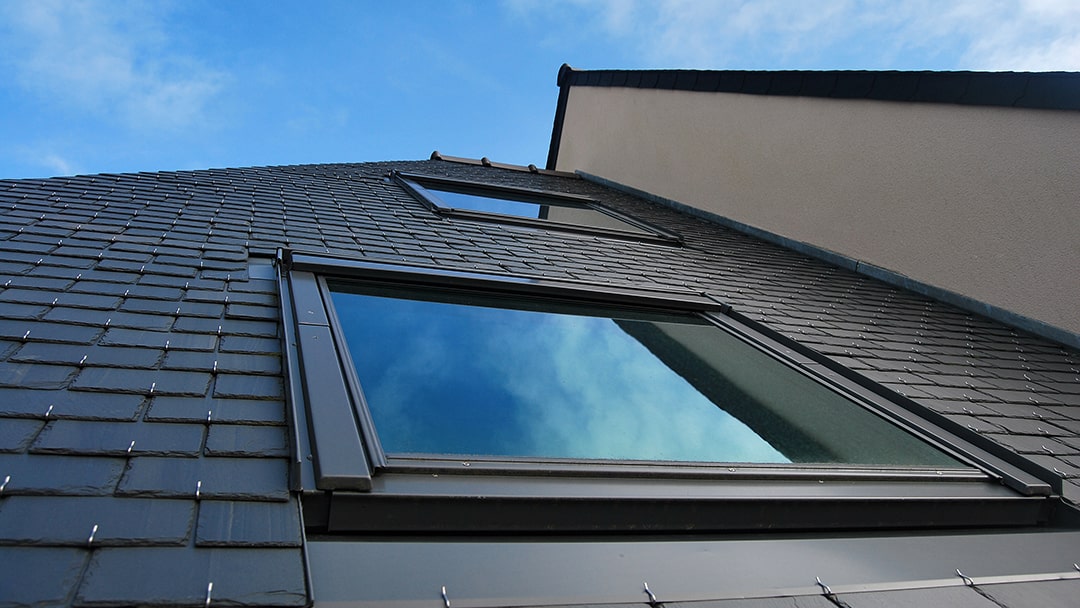
When it comes to selecting the right roofing material for your home, three of the most popular and highly regarded choices are slate, tile, and metal roofing. Each of these materials offers distinct advantages and can provide long-lasting protection for your home. However, choosing the best option depends on your specific needs, budget, and the climate in which you live. Below, we take a detailed look at these three materials, comparing their durability, cost, aesthetic appeal, and other important factors.
Slate Roofing: The Premium Choice
Slate roofing is widely regarded as one of the best roofing materials available, thanks to its long lifespan, stunning appearance, and excellent weather resistance. Often chosen for high-end homes or historic properties, slate can transform the look of a house while offering superior protection against the elements.
-
Durability: Slate is incredibly durable, with an average lifespan of 75-100 years. Properly maintained, a slate roof can even last over a century, making it one of the longest-lasting roofing materials available. Its natural stone composition means it can withstand extreme weather conditions, including high winds, heavy snow, and intense heat, without deteriorating.
-
Aesthetic Appeal: Slate is known for its timeless, elegant appearance. Available in a range of colours, including shades of grey, green, black, purple, and even red, slate offers a sophisticated and natural look that adds significant curb appeal. Additionally, each slate piece has a unique texture, contributing to the natural charm of the roof.
-
Weather Resistance: Slate’s resistance to fire, rot, and insect damage makes it an excellent choice for properties in regions prone to extreme weather. Its water resistance ensures that it can handle heavy rainfall and snow without issues. Moreover, slate’s ability to remain cool under direct sunlight makes it an excellent choice for warmer climates.
-
Cost: The biggest downside to slate roofing is its cost. Slate roofs are expensive both in terms of materials and installation, with prices often reaching £100 to £300 per square metre. The high cost is due to the material’s longevity, rarity, and the specialised skills required for installation. However, considering its lifespan, slate can be a worthwhile investment in the long run.
-
Maintenance: While slate is low-maintenance compared to many other roofing materials, occasional repairs may be required if individual slates crack or break. Since slate is heavy, it’s essential to ensure the underlying structure can support the weight of the roof.

Tile Roofing: Traditional and Robust
Tile roofing, particularly clay and concrete tiles, offers a durable, attractive option for homeowners seeking a traditional, Mediterranean, or Spanish-style roof. This roofing material has been used for centuries due to its strength and aesthetic appeal.
-
Durability: Tile roofs are known for their durability, with an expected lifespan of 50 years or more. Clay and concrete tiles are fire-resistant, resistant to rot, and can withstand heavy rain, wind, and even snow. However, tiles can be more prone to cracking under impact compared to slate, such as from fallen branches or hail.
-
Aesthetic Appeal: Tile roofs are available in a variety of styles and colours, ranging from classic red clay tiles to modern concrete tiles in muted greys, blacks, and whites. Tile roofing can add a stately and traditional look to your home, particularly in properties with Mediterranean, Spanish, or Southwestern architectural styles. The bold, distinct lines of tile can help create a visually striking roof.
-
Weather Resistance: Tile roofing is excellent at withstanding extreme weather. It provides superb protection against rain, snow, and fire. Clay tiles, in particular, are highly effective in hot climates due to their natural ability to reflect heat, helping to keep homes cooler. However, tiles can be more prone to cracking in colder temperatures, particularly if ice or snow accumulates on them.
-
Cost: Tile roofing is generally more affordable than slate but can still be on the higher end of the roofing spectrum. Depending on the type (clay or concrete) and the complexity of the installation, costs typically range from £60 to £150 per square metre. The price is influenced by the material’s durability, aesthetic appeal, and the labour-intensive nature of installation.
-
Maintenance: Tile roofs are relatively low-maintenance, but broken or cracked tiles can be more challenging to repair than other materials. The tiles must be replaced individually, and an experienced contractor is necessary to maintain the integrity of the roof. Additionally, tile roofs require regular cleaning to prevent the buildup of moss or algae.

Metal Roofing: Modern and Practical
Metal roofing has seen a surge in popularity in recent years due to its sleek, modern appearance, durability, and excellent energy efficiency. Available in a range of materials, including steel, aluminium, and copper, metal roofs offer numerous advantages, making them an appealing option for contemporary homes.
-
Durability: Metal roofs are highly durable and can last anywhere from 40 to 70 years, depending on the material. Steel and aluminium roofs are particularly well-suited for extreme weather conditions, including high winds, heavy snow, and intense rainfall. Metal is resistant to rot, insects, and fire, making it an ideal option for homes in areas prone to wildfires.
-
Aesthetic Appeal: Metal roofs have a modern, sleek appearance, with options ranging from corrugated sheets to standing seam styles. Available in a variety of colours, including neutral tones, greens, and even metallic finishes, metal roofing can complement a wide range of architectural designs. It’s particularly well-suited for contemporary, industrial, or minimalist homes.
-
Weather Resistance: One of the key advantages of metal roofing is its excellent performance in harsh weather conditions. Metal roofs are impervious to rain, snow, and ice, and their smooth surface helps water and snow slide off, reducing the risk of ice dams. They are also highly wind-resistant, capable of withstanding gusts up to 140 mph in some cases.
-
Cost: Metal roofing can be more expensive than traditional asphalt shingles but tends to be more affordable than slate or tile. Prices typically range from £80 to £200 per square metre, depending on the type of metal and the complexity of the installation. While the upfront cost is higher, metal roofing often saves money in the long run due to its longevity and energy efficiency.
-
Maintenance: Metal roofs are low-maintenance and easy to care for. They typically require only occasional cleaning and inspection. However, the paint on metal roofs can fade over time, especially in areas with high sun exposure. Regular touch-ups or coatings may be necessary to maintain the roof’s appearance and longevity.
Final Thoughts: Choosing the Best Roof for Your Home
When choosing between slate, tile, and metal roofing, there is no one-size-fits-all solution. Each material offers unique advantages depending on your priorities:
- Slate is the best choice if you’re looking for a long-lasting, premium roofing option with unmatched durability and classic beauty, and you’re willing to invest in higher upfront costs.
- Tile provides a traditional and sturdy option with excellent weather resistance and energy efficiency, particularly in warm climates. It’s a great choice for those who want a timeless, attractive roof without the price tag of slate.
- Metal offers a modern, durable, and energy-efficient solution that can withstand extreme weather conditions and is a cost-effective choice in the long run.